
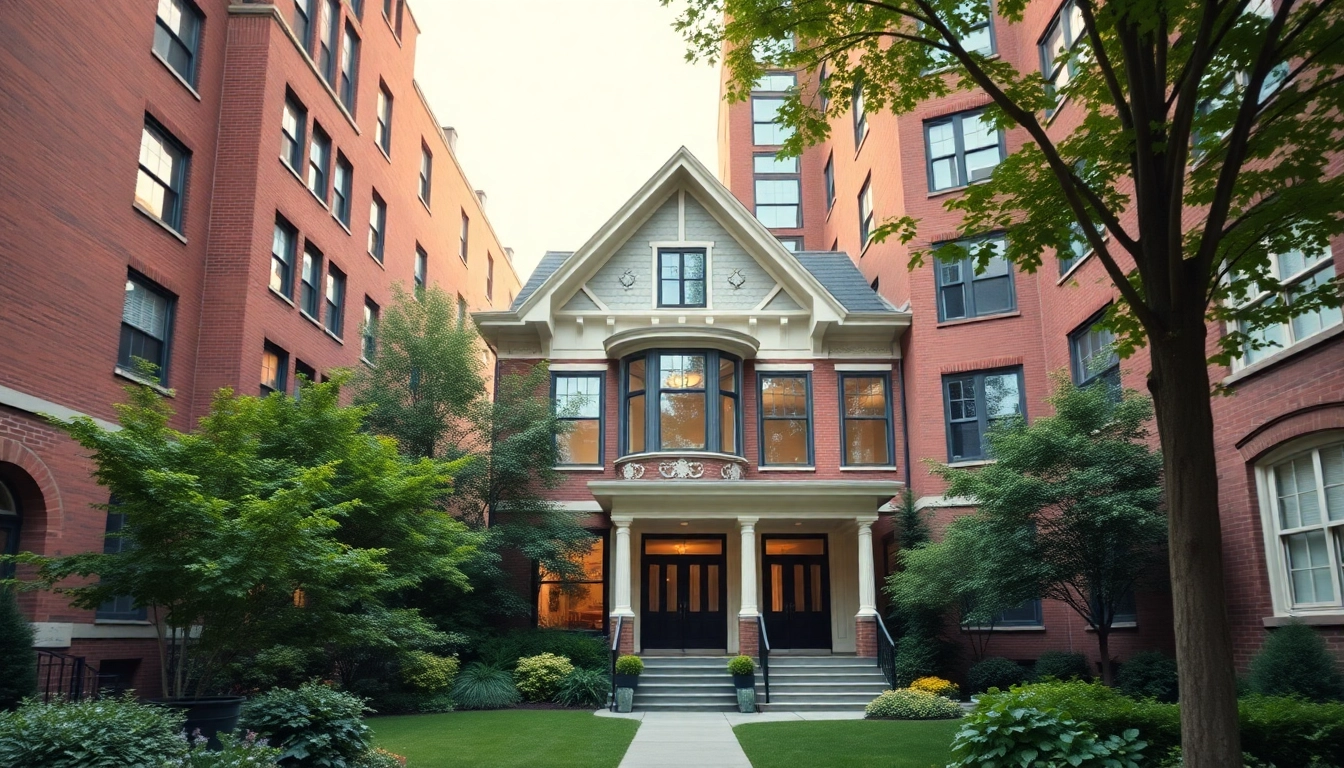
Exceptional Designs by a Residential Architect Boston: Uniting Tradition with Modern Living
Understanding the Role of a Residential Architect Boston
Residential architecture plays a crucial role in shaping the spaces we call home, blending functionality with aesthetic appeal. In a city like Boston, where history and modernity intertwine, the expertise of a Residential Architect Boston becomes indispensable. Let’s explore what defines their roles, the skills they need, and how they navigate projects through different stages.
What Does a Residential Architect Boston Do?
A Residential Architect in Boston is responsible for the design and planning of residential buildings. This can range from single-family homes to multi-family units. Their duties include creating building designs, selecting materials, interpreting building codes and zoning laws, collaborating with builders and clients, and ensuring the final product meets both the client’s vision and community standards.
They often conduct site evaluations to assess the potential and limitations of a property, ensuring design decisions align with environmental considerations and local context. Additionally, they may oversee project developments to maintain quality and adherence to the original architectural vision.
Key Skills Required for a Residential Architect Boston
Key competencies of a Residential Architect Boston include creativity, technical knowledge, and strong communication skills. Here are vital capabilities:
- Creativity: The ability to envision and create functional, innovative designs.
- Technical Proficiency: Understanding of drafting software like AutoCAD and Revit is essential for developing detailed plans.
- Project Management: The skill to manage timelines, budgets, and contractor relationships effectively.
- Knowledge of Regulations: Familiarity with building codes, zoning laws, and sustainable practices is crucial.
- Interpersonal Skills: Architects must articulate their visions clearly and collaborate effectively with clients, builders, and other stakeholders.
Typical Project Lifecycle with a Residential Architect Boston
The lifecycle of a project with a Residential Architect Boston generally follows several key phases:
- Initial Consultation: Understanding the client’s needs, wishes, and budget.
- Schematic Design: Creating initial sketches and layouts to visualize the concept.
- Design Development: Refinement of designs, including plans, materials, and finishes.
- Documentation: Preparing detailed drawings and specifications for permits and construction.
- Construction Administration: Overseeing the building process, ensuring adherence to design and quality standards.
Key Benefits of Hiring a Residential Architect Boston
Engaging a Residential Architect Boston offers numerous benefits that can enhance the quality and viability of residential projects. Below are some key advantages:
Enhanced Design Quality and Creativity
A Residential Architect Boston brings creativity and style that maximizes space and elevates design. Their expertise enables innovative solutions tailored to client desires while maintaining aesthetic integrity and functionality.
Budget Management and Cost Efficiency
While hiring an architect might seem like an added expense, their ability to provide detailed cost estimates and alternative solutions can lead to significant savings. They help avoid costly errors during construction and ensure that projects stay within budget without compromising on quality.
Regulatory Compliance and Building Codes
Navigating local building codes and regulations can be daunting. A Residential Architect Boston has in-depth knowledge of these aspects, ensuring that the design complies with local laws and helps to expedite the permitting process. This reduces the risk of fines or delays during construction.
Choosing the Right Residential Architect Boston for Your Project
When selecting a Residential Architect Boston, it is vital to ensure they align with your project goals and values. Here are key factors to consider:
Evaluating Portfolios and Client Testimonials
Start by reviewing the architect’s portfolio to assess their design style and previous work. Look for variety in projects and styles to gauge their adaptability. Reading client testimonials can provide insights into their process, reliability, and ability to meet deadlines.
Questions to Ask During Initial Consultations
During initial meetings, ask targeted questions that clarify their experience and approach. Some examples include:
- What is your proposed schedule for this project?
- Can you describe your design philosophy?
- How do you handle project changes or budget adjustments?
Cultural Fit and Collaboration Style
The working relationship between you and your Residential Architect Boston is crucial. Ensure that their communication style, work ethic, and approach to collaboration resonate with your preferences. A mutual understanding fosters an efficient and productive partnership.
Trends in Residential Architecture Boston
The field of residential architecture is continuously evolving. Staying informed about trends can help homeowners make educated choices that reflect contemporary tastes and technologies.
Sustainable Design Practices
Sustainable architecture is increasingly popular, focusing on energy efficiency, resource conservation, and eco-friendly materials. Residential Architects are integrating sustainable practices by designing homes that utilize natural light, efficient heating and cooling systems, and sustainable materials to minimize environmental impact.
Integrating Technology into Home Design
Modern homes are increasingly equipped with smart technology. Integration options include automated lighting, smart security systems, and energy management solutions. Architects are designing spaces that accommodate these technologies seamlessly, enhancing both convenience and energy efficiency.
Favorite Neighborhood Styles of a Residential Architect Boston
Boston features a diverse array of neighborhoods, each with distinct architectural styles. Some popular residential styles include:
- Colonial Revival: Characterized by symmetry and classic detailing.
- Modernist: Focuses on minimalism and functionality.
- Victorian: Known for ornate details and eclectic forms.
Architects in Boston often draw inspiration from these styles when designing new homes, creating structures that resonate with the cultural heritage of the city.
Frequently Asked Questions About Residential Architect Boston
How to get started with a Residential Architect Boston?
Begin by identifying your project goals and budget. Research potential architects and schedule consultations to discuss your ideas and expectations.
What are the average costs associated with hiring a Residential Architect Boston?
Fees vary based on project scope, complexity, and architect experience. Generally, costs can range from 5% to 15% of the total construction budget.
How long does the design process typically take with a Residential Architect Boston?
Design timelines vary based on project size, complexity, and feedback cycles. Most residential projects take several months from initial consultation to final design approval.
What should I expect during my first meeting?
Expect to discuss your vision, budget, and goals. The architect may ask questions about your preferences and requirements to understand your needs better.
What makes a Residential Architect Boston uniquely qualified?
The combination of local expertise, understanding of regional regulations, and the ability to design within the unique context of Boston’s neighborhoods sets a Residential Architect Boston apart.