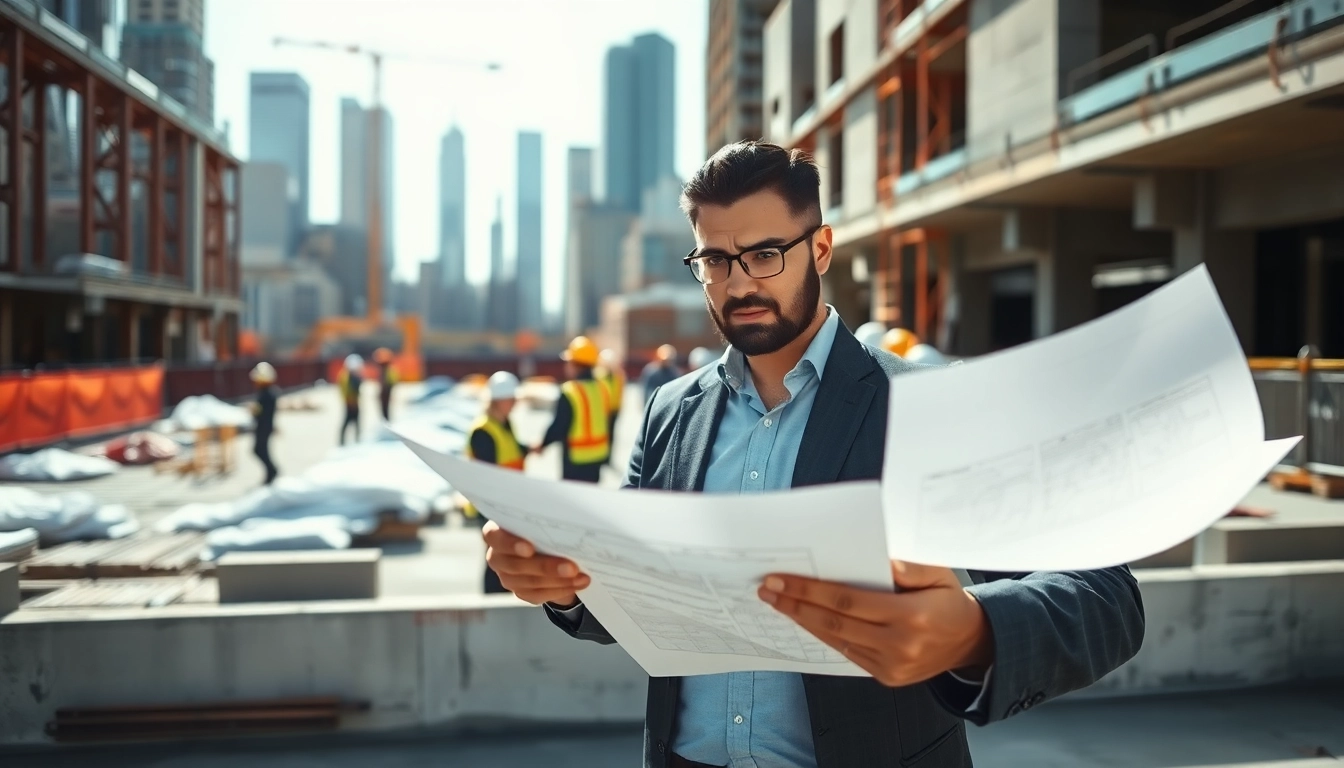
Understanding the Role of a New York City Construction Manager
The construction industry is a dynamic field, particularly in a bustling metropolis like New York City. A pivotal figure in this landscape is the New York City Construction Manager. These professionals are responsible for orchestrating various aspects of construction projects, ensuring their completion on time, within budget, and in compliance with regulations.
Key Responsibilities and Duties
The primary role of a New York City Construction Manager involves overseeing projects from inception to completion. This includes setting goals, managing budgets, and coordinating resources. Their key responsibilities can be broadly categorized into:
- Planning: Crafting detailed schedules and workflows while anticipating potential issues that could arise during construction.
- Resource Management: Ensuring the appropriate materials, equipment, and workforce are available and efficiently utilized.
- Quality Control: Regularly assessing project performance and ensuring that safety protocols are followed.
- Client Liaison: Maintaining communication with stakeholders, including clients, architects, engineers, and contractors.
- Regulatory Compliance: Navigating the maze of local zoning and safety regulations that govern construction in New York City.
Essential Skills for Success
Success as a construction manager hinges on a blend of technical and interpersonal skills. Some essential skills include:
- Leadership: The ability to motivate and guide teams towards common objectives.
- Problem-Solving: Quickly identifying issues and implementing effective solutions is paramount.
- Communication: Clear communication with varied stakeholders ensures smooth project execution.
- Technical Knowledge: A solid understanding of construction methods, materials, and technologies is critical.
- Financial Acumen: Managing budgets, forecasts, and cost control measures effectively demonstrates fiscal responsibility.
The Impact of Location on Projects
Construction projects in New York City are uniquely impacted by the urban landscape. These considerations include:
- Space Constraints: Limited space affects project design and execution, often leading to creative solutions.
- Accessibility: Navigating traffic and urban congestion can pose challenges in transporting materials and manpower.
- Cultural Sensitivity: A diverse population necessitates an understanding of community norms and practices, influencing project design and execution.
- Historical Regulations: Many areas in NYC have regulations related to historic preservation, affecting new constructions and renovations.
Challenges Faced by New York City Construction Managers
Urban Regulations and Compliance
New York City's intricate web of regulations and compliance requirements can be daunting. Construction managers must ensure adherence to various local codes, zoning laws, and safety guidelines, which are often subject to change. Failure to comply can result in costly delays, fines, and project shutdowns.
Weather-Related Delays
The city experiences a wide range of weather events, from snowstorms to heavy rainfall. Construction managers need to account for these conditions in their project timelines, making backup plans to minimize disruptions and keep projects on schedule.
Managing Diverse Teams
New York City’s workforce is incredibly diverse, which can foster innovation but also presents communication and teamwork challenges. Successful construction managers must bridge cultural gaps, facilitate strong communication, and foster inclusivity to enhance productivity and morale among team members.
Best Practices for Effective Project Management
Effective Communication Strategies
Clear communication is the lifeblood of successful project management. Techniques for improving communication include:
- Regular Meetings: Holding weekly checks with all stakeholders can mitigate misunderstandings.
- Collaboration Tools: Utilizing software that fosters collaboration, such as cloud-based platforms, keeps everyone on the same page.
- Transparent Reporting: Providing regular updates on project status can reduce anxiety among stakeholders and foster trust.
Utilizing Technology in Construction
The adoption of technology can dramatically enhance efficiency and accuracy in construction management. Key technologies include:
- Building Information Modeling (BIM): This helps in visualizing projects and identifying potential clashes before they occur.
- Drones: Useful for surveying and inspecting sites, providing real-time feedback without disrupting ongoing work.
- Project Management Software: Solutions like Primavera or Microsoft Project streamline timelines and resource allocation.
Budgeting and Financial Management Tips
Effective budgeting is vital for project success. To manage finances better:
- Detailed Estimates: Create thorough cost estimates that include all conceivable expenses and contingencies.
- Regular Budget Reviews: Conduct periodic reviews to track expenditures and compare them against the budget, making adjustments as necessary.
- Contingency Funds: Set aside a percentage of the budget for unexpected costs, ensuring financial flexibility.
How to Choose Qualified Subcontractors
Evaluating Experience and References
Selecting the right subcontractors can make or break a project. Proper evaluation includes checking past work and verifying references. Look for subcontractors who have experience with similar projects and a robust safety record.
Negotiating Contracts Effectively
Effective contracts are crucial to ensuring mutual understanding and compliance. Focus on:
- Clear Expectations: Specify deliverables, timelines, and payment schedules to avoid misunderstandings.
- Flexibility: Build in provisions for adjustments in response to unforeseen changes.
- Penalties for Non-Compliance: Implement clear penalties to ensure accountability and adherence to all terms and conditions.
Building Lasting Relationships with Subcontractors
A strong working relationship with subcontractors fosters loyalty and improves project outcomes. Cultivate relationships through:
- Open Communication: Foster an environment where open dialogue is encouraged.
- Incentives: Offer bonuses for exceeding performance targets to motivate subcontractors.
- Recognition: Regularly recognize subcontractor efforts and successes to reinforce commitment.
Future Trends in New York City Construction Management
Sustainability and Green Building Practices
With increasing emphasis on sustainability, construction managers must prioritize green building practices. This includes utilizing eco-friendly materials, optimizing energy efficiency, and complying with LEED certification requirements, which enhance a project's appeal and long-term viability.
The Role of Smart Technology
Smart technology, such as IoT devices and AI, is revolutionizing construction management. The predictive capabilities of AI allow for better project forecasting and resource allocation, while IoT devices can provide real-time data on project conditions, improving responsiveness and decision-making.
Adapting to Changing Regulations
As urban regulations evolve, construction managers must stay informed and adaptable. Continuous education through industry seminars and workshops is vital to keep pace with changes and to ensure compliance, safeguards, and project success.
Frequently Asked Questions
What does a construction manager do?
A construction manager oversees planning, coordination, and execution of construction projects, ensuring they meet budget, schedule, and compliance requirements.
How do I become a construction manager in NYC?
A bachelor's degree in construction management or a related field, along with relevant industry experience, is typically required. Licensing may also be necessary.
What are the key skills for a construction manager?
Key skills include leadership, problem-solving, effective communication, technical knowledge, and financial/acumen management skills.
Why is technology important in construction management?
Technology improves efficiency, accuracy, and data tracking, enhances communication, and allows for better project management, leading to successful outcomes.
What are some common challenges faced by construction managers?
Challenges include navigating urban regulations, managing diverse teams, handling weather-related delays, and ensuring budget adherence.