
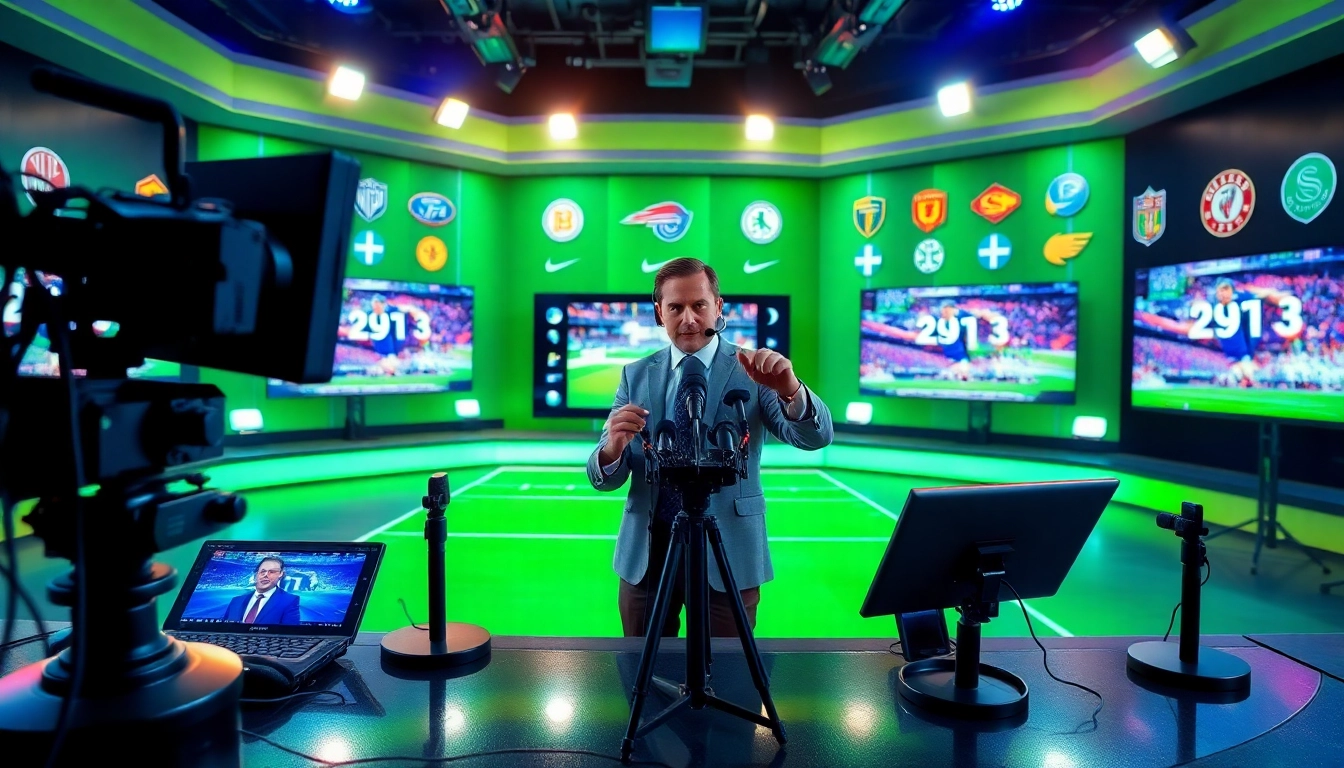
Introduction to Sports Broadcasting
Sports broadcasting has evolved into a critical component of the global sports experience. It delivers live events to millions while enhancing viewer engagement through innovative technologies and content strategies. Understanding the dynamics of Sports Broadcasting is essential for anyone hoping to succeed in this exciting field.
Understanding the Basics of Sports Broadcasting
At its core, sports broadcasting encapsulates the live transmission of sporting events through television, radio, online streaming, and social media platforms. It encompasses various roles including production, commentary, and analysis, all of which collaborate to provide a seamless viewing experience.
The industry relies heavily on scheduled sporting events and often features pre-game, in-game, and post-game analyses to enrich the viewer's understanding. Additionally, as audiences grow more diverse, broadcasters increasingly utilize multiple platforms to cater to different demographics—an essential trend as the landscape shifts toward a multi-device world.
The Importance of Sports Broadcasting Today
Sports broadcasting acts as a linchpin between the fans and their favorite sports, bridging geographical distances and enhancing engagement. It not only generates revenue through advertising and subscriptions but also strengthens the visibility of sports leagues and teams. It has transformed a once passive engagement into an active community experience, where fans can partake in discussions, polls, and live feedback.
Moreover, the rise of data analytics in sports has changed broadcasting significantly, fostering deeper insights for viewers and allowing broadcasters to present factual, engaging content that enriches the viewing experience.
Key Players in the Sports Broadcasting Industry
Understanding the ecosystem through which sports broadcasting operates requires insight into the key players involved. These include traditional networks, online streaming platforms, and independent content creators. Major broadcasters invest significantly in contracts for exclusive rights to games, often leading to fierce competition. Meanwhile, new entrants can disrupt the industry by providing innovative viewing formats and interactive experiences.
In addition, technology companies are becoming pivotal players, offering tools for advanced data visualization and engagement features, reshaping how sports are consumed globally.
Essential Tools for Effective Sports Broadcasting
Effective sports broadcasting is grounded in the right tools and technologies. From filming equipment to software solutions, each element plays a vital role in delivering quality content to viewers.
Broadcasting Equipment and Technology
Broadcasting relies on advanced equipment that transforms live sports into consumable media. High-definition cameras, drones for aerial shots, and 360-degree technology are now staples in the industry. Using robust audio systems ensures clarity, while graphics and animation technologies enhance the storytelling aspect of sports narratives.
Furthermore, backup systems for power and equipment are crucial. This ensures uninterrupted broadcasting even during technical difficulties, maintaining professional standards and viewer trust.
Software Solutions for Sports Broadcasting
Software applications offer an abundance of features vital for production and post-production phases. Content management systems help organize footage, while editing suites provide tools for dynamic storytelling. Live graphics software creates engaging overlays, allowing for real-time stats and updates.
Beyond production, analytics software plays a fundamental role in understanding viewer behavior and preferences. By analyzing engagement data, sports broadcasters can tailor content and presentation styles to improve viewer satisfaction.
Integrating Social Media into Sports Broadcasting
Social media has revolutionized how sports broadcasters engage with audiences. By integrating platforms like Twitter, Instagram, and Facebook, broadcasters can enhance viewer interaction, share instant highlights, and promote discussion during live events.
Incorporating user-generated content, such as tweets and videos, encourages fan participation and amplifies the communal aspect of watching sports. Successful integration requires a strategic approach, ensuring content maintains audience engagement while aligning with the overall broadcasting goals.
Strategies for Engaging Sports Audiences
To thrive in the competitive landscape of sports broadcasting, it's imperative to adopt effective audience engagement strategies, focusing on creating compelling content and fostering a sense of community among viewers.
Creating Compelling Content for Sports Broadcasting
Content is king in the world of sports broadcasting. Engaging content blends expert analysis, captivating stories, and fan-focused narratives. Highlight reels, athlete interviews, and behind-the-scenes content can significantly boost viewer interest.
Additionally, themed broadcasts around significant events—such as playoffs or rivalry matches—offer opportunities for creative storytelling, capturing the essence of the competition and enhancing audience investment.
Utilizing Live Interaction and Feedback
Real-time interaction has become a hallmark of modern sports broadcasting. Utilizing features such as live polls, quizzes, and social media commentary allows broadcasters to involve viewers actively and adapt the content in real-time. This interaction not only personalizes the viewing experience but also helps foster a sense of community.
Moreover, integrating feedback mechanisms helps broadcasters fine-tune future broadcasts, tailoring content and delivery methods to meet audience expectations and preferences.
Building Community Around Sports Broadcasting
Building a strong community is essential for viewer retention. Broadcasters should focus on creating forums for fans, encouraging discussions about games, athletes, and strategies. Engagement initiatives, such as fan contests and live chats with commentators or athletes, greatly enhance this communal aspect.
Furthermore, fostering relationships with local fan clubs and organizations can offer broadcasters additional avenues to engage viewers, creating localized content that resonates with regional audiences.
Challenges in Sports Broadcasting
Despite its tremendous growth and importance, the field of sports broadcasting is not without its hurdles. From navigating legal intricacies to overcoming technical difficulties, broadcasters must strategize effectively to mitigate these challenges.
Navigating Legal and Ethical Issues
Legal issues in sports broadcasting predominantly revolve around rights management and intellectual property. Broadcasters must ensure proper licensing agreements are in place to avoid infringements, which can lead to significant legal complications. Ethical concerns also arise, especially concerning the portrayal of athletes and adherence to fairness in coverage.
Staying informed about broadcasting laws and adhering to ethical standards not only protects broadcasters but also enhances their credibility and reputation within the industry.
Dealing with Technical Difficulties
Technical failures can severely disrupt live broadcasts, making contingency planning indispensable. Having backup equipment, alternative internet connections, and a clear crisis management strategy can help mitigate the impact of unforeseen glitches.
Broadcasters should regularly conduct equipment checks and training sessions to ensure that all team members are prepared to handle technical challenges efficiently, thus maintaining a professional broadcast standard.
Maintaining Viewer Engagement Over Time
Long-term viewer retention poses one of the biggest challenges for sports broadcasters. Viewers may grow fatigued with repetitive formats or predictable content. To counteract this, broadcasting teams must prioritize innovation and adapt to changing viewer preferences.
Incorporating fresh concepts, exploring different narratives, and leveraging analytics to tailor viewer experiences can keep audiences engaged over time. Moreover, remembering the importance of historical contexts can enrich the content and maintain a loyal viewer base.
Future Trends in Sports Broadcasting
The landscape of sports broadcasting continues to evolve rapidly. By keeping an eye on emerging trends, broadcasters can stay ahead of the curve and capture new audiences while retaining existing ones.
The Rise of Streaming Services in Sports Broadcasting
The growth of streaming services has transformed how audiences consume sports. Viewers now favor on-demand access and flexibility over traditional scheduling. This shift compels broadcasters to either adopt streaming strategies or partner with existing platforms to reach wider audiences.
Streaming services enable features like multi-game viewing or personalized content, which enhances user experience and drives engagement. As competitive dynamics intensify, leveraging these platforms will be pivotal for future growth.
Emerging Technologies Impacting Sports Broadcasting
Technologies such as augmented reality (AR), virtual reality (VR), and artificial intelligence (AI) are reshaping how content is produced and consumed. AR and VR provide immersive viewing experiences that transport fans into the action, while AI optimization enhances content personalization through data analysis.
Adopting these technologies can significantly improve audience engagement, offering novel ways to interact with sports events. Broadcasters that invest in technological upgrades will likely outperform competitors in viewer satisfaction and retention.
Predictions for the Future of Sports Broadcasting
The future of sports broadcasting will likely involve a more personalized and interactive viewing experience. As audiences crave greater control over their broadcasts, innovations in customizable content will provide tailored experiences that enrich engagement.
Additionally, the boundary between social media and sports broadcasting will continue to blur, emphasizing the need for integrated content strategies that leverage real-time interaction and community-building efforts. The industry is poised for tremendous growth with ongoing developments in technology and audience engagement, comprising a key focus for successful sports broadcasting.
FAQs About Sports Broadcasting
What is sports broadcasting?
Sports broadcasting refers to the live transmission of sporting events through various media platforms, including television, radio, online streaming, and social media.
How has technology impacted sports broadcasting?
Technology has enriched sports broadcasting through high-definition cameras, live graphics, streaming platforms, and data analytics, enhancing viewer experiences and engagement.
Why is social media important in sports broadcasting?
Social media facilitates real-time fan engagement, allows for live feedback, and increases the visibility of broadcasts, fostering a stronger community around sports events.
What challenges do sports broadcasters face?
Major challenges include legal issues related to rights management, technical difficulties during broadcasts, and maintaining long-term viewer engagement amidst changing preferences.
What are future trends in sports broadcasting?
Future trends include the rise of streaming services, advancements in immersive technologies like AR and VR, and a continued focus on personalized content to enhance viewer engagement.