The Role of a Destination Photographer
What is a Destination Photographer?
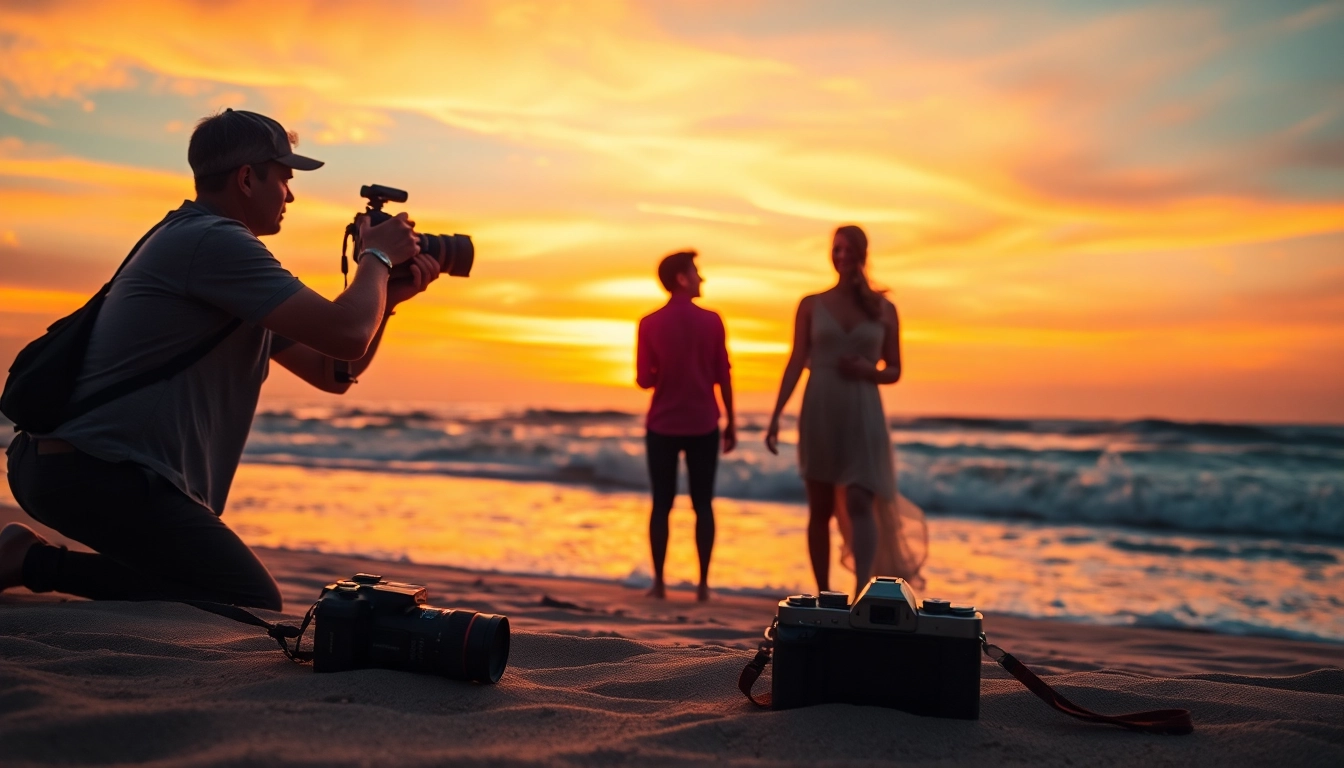
A Destination photographer specializes in capturing unique moments in various locations, often away from their home base. Unlike conventional photographers, destination photographers venture to new cities and countries to document events such as weddings, family reunions, or engagement sessions. Their expertise lies not only in photography but also in their ability to navigate different environments, cultures, and often challenging logistics. This niche emphasizes storytelling through images, allowing clients to relive experiences through stunning visuals set against captivating backdrops.
The Importance of Location in Photography
Location plays a pivotal role in the field of photography, particularly for a destination photographer. The backdrop can significantly enhance the narrative of the images, adding context and depth. Whether it’s a romantic beach sunset, a bustling urban skyline, or a serene forest, the choice of location sets the tone for the shoot. Each environment provides unique lighting, textures, and colors, all of which can dramatically affect the final product. A successful destination photographer must possess a keen understanding of how to leverage these elements to create compelling images that resonate with viewers.
Skills Needed for a Destination Photographer
Becoming a successful destination photographer requires a diverse skill set that goes beyond just photography. Firstly, technical proficiency with camera equipment is essential. This includes understanding different camera settings, lens choices, and lighting techniques. Secondly, interpersonal skills are crucial, as photographers often work closely with clients to ensure their vision is realized. Understanding the local culture is also significant; knowledge of local customs can lead to more authentic and respectful photography, enhancing the overall experience. Additionally, organizational skills are necessary for planning travel, accommodations, and coordinating schedules with clients and venues.
Planning Your Destination Shoot
Choosing the Right Destination
Selecting the ideal destination is fundamental to the success of a shoot. Photographers should consider the interests and preferences of their clients, as well as the type of event being photographed. Popular destinations for weddings might include scenic beaches or vineyards, while adventure shoots could take place in mountainous regions or national parks. Researching the destination’s characteristics—such as seasonal weather patterns, local attractions, and unique photographic opportunities—can help in making an informed decision. Ultimately, the right destination should align with the desired aesthetic and the emotional tone the clients wish to convey in their images.
Understanding Local Culture and Light
Each location has its own set of cultural nuances and lighting conditions, both of which play a crucial role in destination photography. Cultural understanding can guide a photographer in fostering rapport with local vendors and clients, ensuring that photographs are culturally sensitive and authentic. Moreover, recognizing how natural and ambient light interacts with the environment is vital. Golden hour—just before sunset, or shortly after sunrise—offers soft, diffused light ideal for portrait photography. A good destination photographer will plan their shoots around these optimal lighting conditions to create the most flattering images.
Essential Gear for Destination Photography
When preparing for a destination shoot, careful consideration of gear is paramount. The essential equipment typically includes a high-quality camera and a variety of lenses to cover different shooting scenarios—from wide-angle for landscapes to macro for detailed shots. Reliable tripods and gimbals are important for stability, especially in changeable weather conditions. Additionally, a well-thought-out packing strategy is crucial, enabling photographers to travel light while ensuring all necessary items are at hand. Safety gear like rain covers and protective lens filters can protect equipment against the elements during outdoor shoots.
Techniques for Capturing Stunning Images
Mastering Composition and Angles
Composition involves organizing visual elements within a photograph to create a harmonious and engaging image. Photographers should employ techniques such as the rule of thirds, leading lines, and framing to enhance the impact of their pictures. Varying angles adds dynamism to shots; capturing images from low angles can lend a sense of grandeur, while bird’s-eye views can provide a unique perspective. Continuous practice and experimentation with composition and angles will help a destination photographer develop a distinctive style.
Using Natural Light Effectively
Mastering natural light is crucial for a destination photographer, as it can dramatically influence the mood and quality of images. Photographers must be adept at recognizing different light sources and how they can be manipulated for the best effect. This includes understanding how to work with harsh sunlight, which can create strong shadows, and soft, diffused light found on overcast days. By positioning subjects accordingly and utilizing reflectors or diffusers, a photographer can enhance the natural qualities of light to create stunning visuals. Adapting to local light conditions is essential for achieving the desired photographic outcome.
Incorporating Local Elements
Incorporating local cultural or geographic elements into a shoot not only enriches the photographs but also creates a more immersive experience for the clients. Unique architecture, historic sites, or local flora can be key components that ground the images in the chosen destination. By including these elements, a destination photographer tells a more complete story that resonates on both personal and cultural levels. This not only adds authenticity to the work but also provides clients with memorable images that serve as intimate reminders of their experiences in a foreign locale.
Editing and Post-Production for Destination Shots
Choosing the Right Editing Software
Editing and post-production are critical stages in the photography process, bringing images to life after the shoot. A destination photographer should be familiar with various editing software to enhance their work effectively. Popular options include Adobe Lightroom and Photoshop, both of which provide robust tools for retouching, color grading, and enhancing details. Choosing software largely depends on personal preference and specific workflow requirements, and investing time into mastering these tools can significantly elevate the quality of the final images.
Enhancing Colors and Textures
One of the primary goals of post-production is to enhance the original photograph while preserving its authenticity. This involves adjusting colors and textures to create a more vivid or dramatic impact. Methods such as adjusting contrast, saturation, and exposure can help highlight the natural beauty of the scene. Additionally, techniques like sharpening or noise reduction can enhance image quality. By maintaining a balance between subtlety and enhancement, a destination photographer can produce eye-catching images that maintain their emotional resonance.
Creating a Consistent Style
Developing a consistent editing style helps a destination photographer establish a recognizable brand identity. This can be achieved by creating and applying custom presets that reflect personal aesthetics, which maintain a cohesive look across various images. Consistency in style not only attracts potential clients but also builds trust with existing ones who appreciate a signature approach. Photographers should regularly update their editing practices to reflect current trends while ensuring their unique style remains intact.
Building a Portfolio as a Destination Photographer
Showcasing Your Best Work
A well-curated portfolio serves as a destination photographer’s calling card. It should highlight the breadth of their work while showcasing the best images that tell compelling stories. Including a variety of shoot types—weddings, travel, engagement sessions—demonstrates versatility and skill. The portfolio should also reflect the photographer’s unique style; potential clients should feel a strong connection to the images presented. Regularly updating the portfolio with recent work keeps it fresh and relevant, attracting new clientele.
Online Presence and Marketing
In today’s digital age, establishing a robust online presence is essential for any destination photographer. This involves not only showcasing work on a personal website but also leveraging social media platforms such as Instagram and Pinterest, where visual content thrives. Engaging with followers, participating in relevant conversations, and utilizing hashtags can amplify visibility and attract potential clients. Collaborating with travel blogs or engaging in influencer marketing can broaden reach further, creating opportunities for bookings and brand partnerships.
Navigating Client Relationships
Building strong client relationships is vital for any photographer, especially in the destination niche where clients often invest significant resources for unique experiences. Clear and effective communication regarding expectations, preferences, and timelines can help forge trust. Providing clients with a comprehensive overview of the entire process—from planning through to the final delivery of images—ensures a smoother collaboration. Following up after the shoot with gratitude and requests for feedback can further solidify relationships, ultimately leading to referrals and repeat business.
Frequently Asked Questions
What should I consider when choosing a destination photographer?
Look for a photographer whose portfolio resonates with your vision. Review their experience in destination photography, client testimonials, and their ability to connect with local cultures.
How do I prepare for a destination photography session?
Discuss your vision with the photographer, consider the time of year and location, and plan outfits that fit the setting. Ensure you are comfortable and enthusiastic about the shoot.
Can I request specific locations for my shoot?
Yes, you can request specific locations based on your preferences. Your photographer can also provide suggestions based on experience to enhance the overall outcome.
How long does it take to receive the final images after a shoot?
The time frame varies by photographer. Generally, clients can expect their images within a few weeks, depending on the workload and post-processing involved.
What if the weather changes during my destination shoot?
Photographers often have contingency plans for adverse weather, including alternate locations or rescheduling. Be flexible and trust your photographer’s expertise to adapt.