Enhance Your Home with a Beautiful Colonial Addition: Tips and Insights
Understanding Colonial Additions and Their Benefits
What is a Colonial Addition?
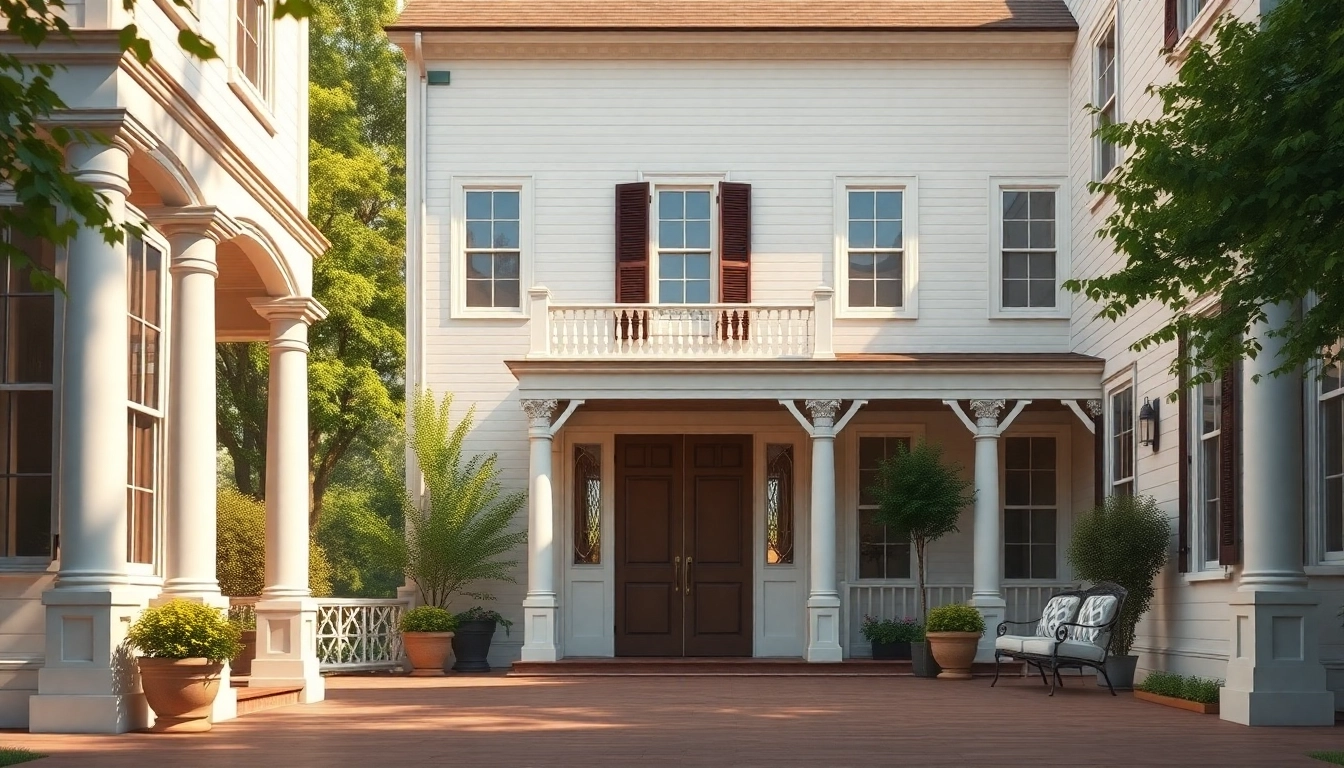
A colonial addition is a type of home expansion that maintains the architectural style and characteristics of colonial-era design. Characterized by symmetrical facades, evenly spaced windows, and gabled roofs, colonial additions seamlessly blend with existing structures while enhancing living space. Typically, these additions involve extending the footprint of the home or integrating porches or sunrooms that reflect traditional colonial aesthetics. When planning a colonial addition, it is crucial to work with an architect who understands the nuances of this architectural style.
Key Benefits of Colonial Additions
There are numerous benefits to consider when planning a colonial addition, including:
- Increased Living Space: A colonial addition allows homeowners to expand their living areas without compromising their home’s historical integrity.
- Enhanced Home Value: Properly executed additions can significantly increase the resale value of your property, making it a solid investment.
- Preserved Aesthetic: By adhering to traditional design elements, a colonial addition maintains the home’s architectural character.
- Personalized Design: Homeowners have the opportunity to customize their space while still respecting the original style.
Historical Significance of Colonial Design
Colonial architecture draws from various early American influences, particularly English, Dutch, and Spanish designs. The historical significance of this style lies in its representation of the cultural diversity and regional adaptations of early settlers. Colonial homes often feature elements such as brick or wood siding, gabled roofs, and decorative moldings, which are not only aesthetically pleasing but also serve significant functional purposes. Understanding these historical elements can inform your design choices for a colonial addition, ensuring it is both authentic and practical.
Design Considerations for Colonial Additions
Architectural Harmony with Original Structure
When designing a colonial addition, architectural harmony with the existing structure is essential. This involves considering the scale, proportions, and alignment of windows and doors to ensure they match those of the original home. For example, if the current home features double-hung windows with rectangular shapes, the addition should replicate that style to maintain uniformity. Additionally, maintaining similar rooflines and eave details can create a cohesive look that feels intentional rather than tacked on.
Choosing Materials for a Colonial Aesthetic
The choice of materials for your colonial addition significantly influences its appearance and durability. Traditional materials such as clapboard siding, brick, and wood shingles are ideal for maintaining authenticity. It’s important to use high-quality materials that not only match the aesthetic but are also in line with modern building codes and performance standards. Working with your architect can help you select suitable materials that blend historical charm with contemporary functionality.
Planning Indoor and Outdoor Spaces
Successfully integrating your colonial addition with existing indoor and outdoor spaces is crucial for function and flow. Consider how the addition will interact with your yard and landscaping. Features like patios, walkways, and gardens can enhance both the aesthetics and usability of the new space. Inside, focus on creating layouts that facilitate movement and accessibility, recognizing the needs of your family and potential guests.
Budgeting for Your Colonial Addition
Estimating Costs: What to Expect
The overall cost of a colonial addition can vary widely based on size, materials, and location. On average, homeowners can expect to pay between $100 to $250 per square foot. It’s prudent to factor in costs for permits, design fees, and potential unforeseen expenses during construction. Planning for these aspects can help you avoid surprises and keep your budget on track.
Finding Value in Investment
A colonial addition can yield substantial returns, often recouping between 60-70% of the investment upon resale. Homeowners interested in maximizing their investment should prioritize design choices that appeal to prospective buyers, such as open floor plans, modern amenities, and efficient layouts. Furthermore, ensuring high energy efficiency can also be attractive to buyers, increasing overall property value.
Financing Options for Homeowners
Financing a colonial addition can involve various options, including home equity loans, personal loans, or refinancing your mortgage. Each option has distinct pros and cons, depending on your financial situation. Consulting with a financial advisor can help you navigate your choices and select the best financing solution tailored to your specific needs and circumstances.
Implementation Steps for Building a Colonial Addition
Hiring the Right Architect or Builder
Selecting the right architect or builder is critical to successfully completing your colonial addition. Look for professionals with experience in traditional architectural designs, specifically colonial styles. Reviewing past projects and client testimonials can help you gauge their expertise and reliability. Additionally, a good architect will work collaboratively with you to ensure your vision aligns with practical building capabilities.
Navigating Permits and Regulations
Before breaking ground on your colonial addition, you’ll need to navigate local permits and building regulations. Most municipalities require permits for major renovations or additions, which help ensure that your project complies with zoning laws and safety standards. Engaging with your architect can help streamline this process, as they often have experience dealing with local code enforcement.
Managing the Construction Process
During construction, effective project management is key to maintaining timelines and budgets. Regular communication with your contractor allows you to stay informed about progress, scheduling, and any potential issues that arise. Creating a detailed project timeline can help avoid delays and enable smoother transitions from one phase of construction to the next.
Frequently Asked Questions about Colonial Additions
How long does it take to build a colonial addition?
The duration of building a colonial addition varies based on size and complexity but typically takes between three to six months. This includes planning, permitting, and actual construction time.
What are the common features of colonial additions?
Common features include gabled roofs, symmetrical facades, double-hung windows, and high-quality, period-appropriate materials that harmonize with the original structure.
Can a colonial addition increase my home’s value?
Yes, a well-designed colonial addition can substantially increase the resale value of your home—often recovering a significant portion of the initial investment.
How can I make my colonial addition energy-efficient?
Incorporating energy-efficient windows, insulation, and HVAC systems into your colonial addition can enhance comfort and decrease energy costs, making your home more sustainable.
What styles complement a colonial addition?
Styles that complement colonial additions include traditional American styles, Federal, and Georgian designs, which all ensure architectural cohesion and aesthetic harmony.