Transform Your Home with Durable and Stylish Metal Roofing Solutions
Understanding Metal Roofing
What Is Metal Roofing?
Metal roofing refers to roofs made from metal materials, such as steel, aluminum, copper, or zinc. Unlike traditional materials like asphalt shingles or tiles, metal roofing offers a unique combination of durability, longevity, and aesthetic appeal. It is available in various styles and colors, allowing homeowners to customize their roofs to match their designs and personal preferences. The structure can either be panels or shingles, with each offering distinct benefits based on installation preferences.
Benefits of Metal Roofing
- Durability: Metal roofing is resistant to extreme weather conditions such as heavy rain, snow, and high winds. This durability ensures that metal roofs can last up to 50 years or more with proper maintenance.
- Energy Efficiency: Metal roofing reflects sunlight, which helps keep homes cooler in summer. This can lead to lower energy bills and a reduced carbon footprint.
- Low Maintenance: Compared to other roofing materials, metal roofs require significantly less maintenance. They are resistant to moss, mildew, and rot.
- Environmental Benefits: Many metal roofing products are made from recycled materials and are recyclable at the end of their life cycle, making them an eco-friendly choice.
- Fire Resistance: Metal roofs are non-combustible and can meet stringent fire safety codes, providing an additional layer of protection to your home.
Common Types of Metal Roofing
There are several types of metal roofing available, each suited for different aesthetic preferences and functional needs:
- Steel Roofing: Known for its strength and practicality, steel can come in various grades, with galvanized and galvalume finishes offering added corrosion resistance.
- Aluminum Roofing: Lightweight and resistant to rust, aluminum is ideal for coastal regions that experience salty air. It’s often used in residential homes and commercial buildings alike.
- Copper Roofing: Renowned for its distinctive appearance, copper develops a green patina over time. It is a premium choice and provides excellent longevity.
- Zinc Roofing: This material is a sustainable option that ages beautifully, developing a protective layer that enhances its resilience.
Installation Process for Metal Roofing
Preparation and Safety Measures
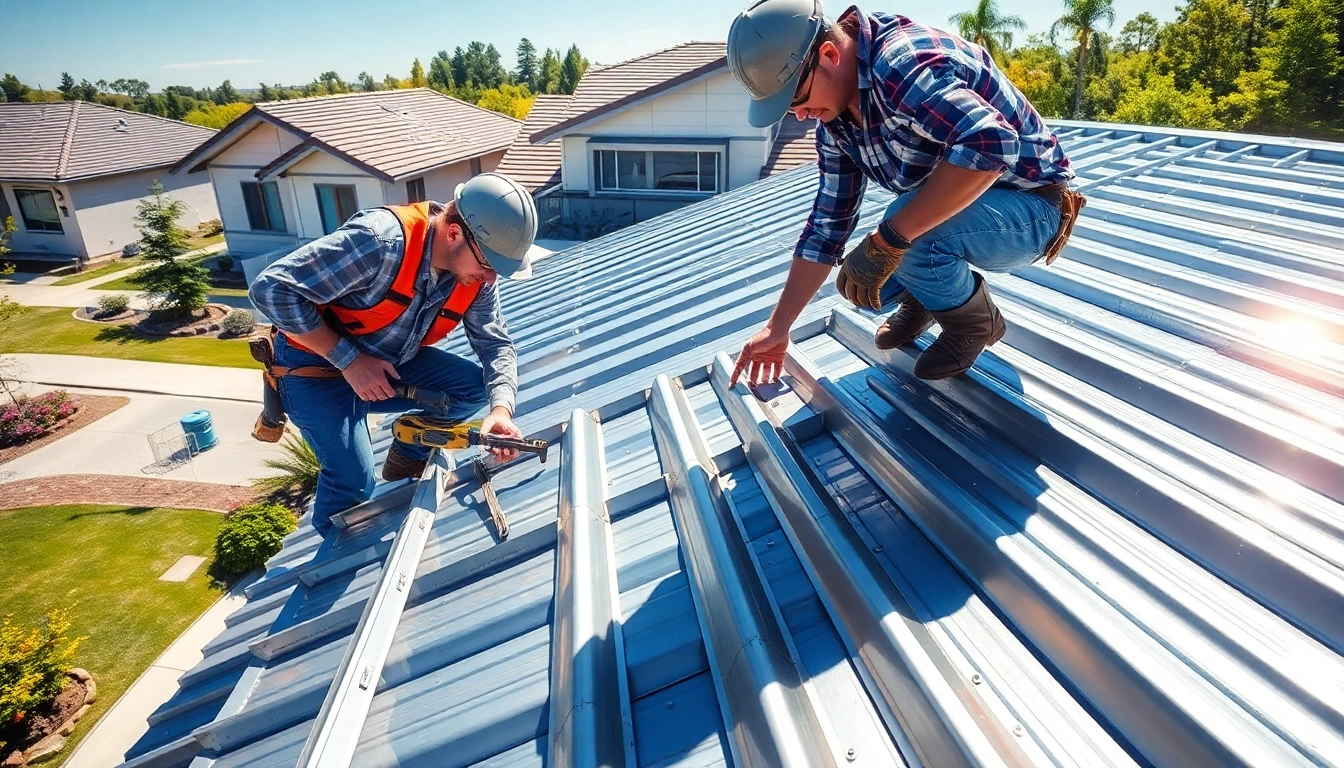
Before beginning the installation of metal roofing, proper preparation and safety measures are essential. This includes ensuring that you have the required permits for installation. It’s important to review local building codes and regulations. Safety gear such as helmets, gloves, and non-slip footwear is vital to avoid accidents during installation.
Tools Required for Installation
The following tools are commonly needed for installing metal roofing:
- Measuring tape
- Utility knife
- Pry bar
- Power drill with metal drill bits
- Metal cutting saw
- Safety harnesses for elevated work
- Caulking gun and waterproof sealant
Step-by-Step Installation Guide
Installing a metal roof generally follows these steps:
- Preparation: Begin by clearing the roof of any debris and repairing any existing damage to the underlying structure.
- Install Underlayment: Lay down a waterproof underlayment to provide an extra layer of protection against moisture.
- Position Metal Panels: Start at the eaves and work upwards. Ensure each panel overlaps the last to avoid leaks.
- Secure the Panels: Use the appropriate fasteners based on the type of metal and climate conditions to secure each panel firmly.
- Finish with Trim: Once panels are installed, apply flashing and trim around edges, valleys, and ridges to ensure a watertight seal.
Maintenance Tips for Metal Roofing
Routine Inspections
Regular inspections are crucial to ensure the longevity of your metal roof. Check for loose or damaged panels, rust, and signs of wear. Early detection of potential issues can prevent expensive repairs.
Cleaning and Preservation
Keeping your metal roof clean extends its life. Use a soft-bristle brush or low-pressure washing to remove dirt, leaves, and debris. In areas with high tree coverage, frequent cleaning is essential to prevent moss and algae growth.
Dealing with Damage
In case of damage, quick action is necessary. Replace damaged panels promptly and ensure any rust spots are treated and sealed with a special metal roofing sealant to prevent further deterioration.
Cost Analysis of Metal Roofing
Initial Investment Vs. Long-term Savings
While the initial cost of metal roofing can be higher than traditional roofing materials, the long-term savings often justify the investment. Metal roofs can lower your energy bills and reduce long-term maintenance costs, leading to balanced financial benefits over time.
Factors Affecting Cost
The cost of installing metal roofing is influenced by several factors, including:
- Type of metal selected
- Roof complexity and design
- Location and accessibility
- Labor costs in your region
Financing Options for Homeowners
Homeowners can explore various financing options such as personal loans, home equity lines of credit, or specific financing programs offered by roofing contractors to manage the upfront costs.
FAQs About Metal Roofing
How long does metal roofing last?
Metal roofing can last 40 to 70 years depending on the material and maintenance, making it one of the most durable roofing options available.
Can metal roofing be installed over shingles?
Yes, metal roofing can be installed over existing shingles, provided they are in good condition. This can save labor costs and time during installation.
Is metal roofing noisy?
Metal roofing can be noisy during heavy rain or hail, but proper insulation and an underlayment can significantly reduce sound transmission.
How energy-efficient is metal roofing?
Metal roofing reflects sunlight, helping keep homes cooler in summer and potentially reducing energy costs by 10-25% compared to asphalt shingles.
What colors are available for metal roofing?
Metal roofing comes in a wide variety of colors, allowing homeowners to choose hues that complement their home’s exterior while accommodating local aesthetic preferences.