
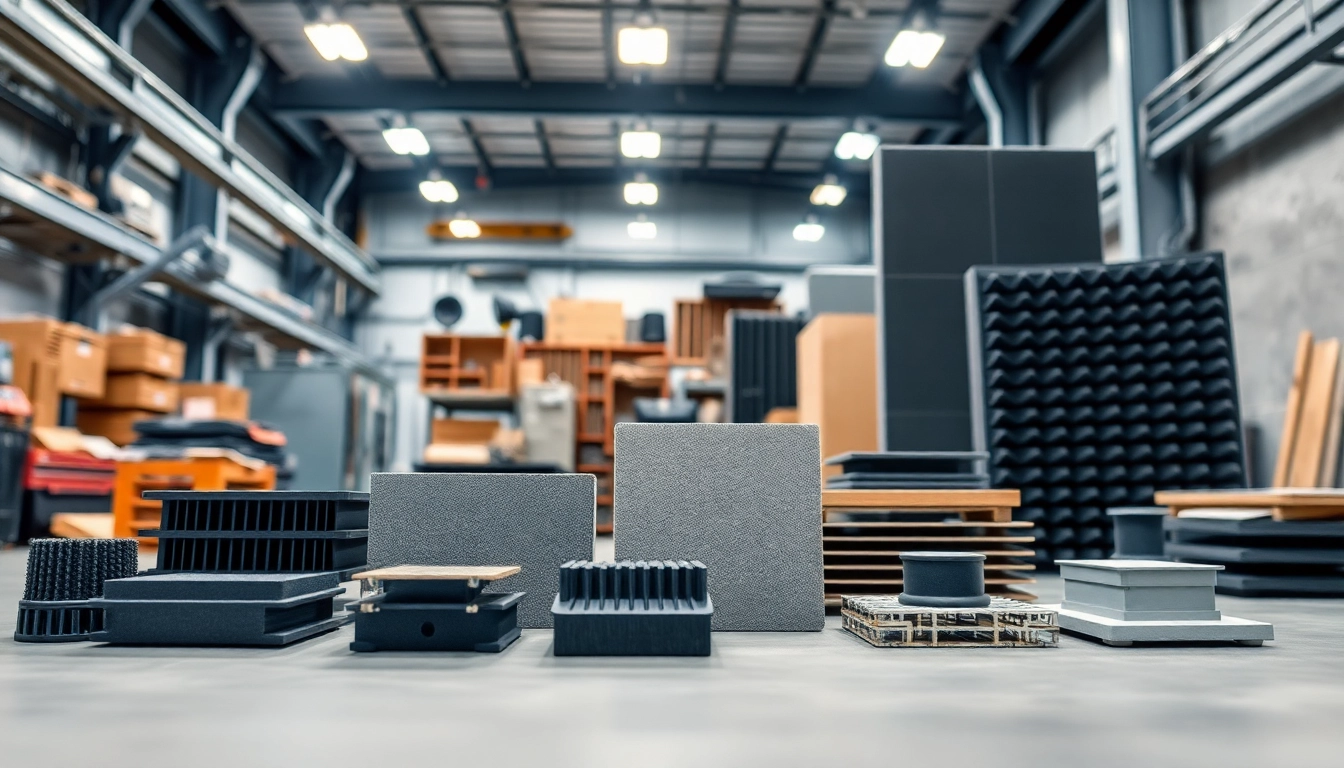
Elevating Efficiency with Sound and Vibration Control Products for Industrial Applications
Understanding Sound and Vibration Control Products
Defining Sound and Vibration Control
Sound and vibration control encompasses a range of techniques and products designed to manage unwanted sound and vibration within various environments. These solutions aim to mitigate the impact of noise and oscillatory movements generated by machinery, equipment, and human activities. The science behind these products includes engineering principles that focus on absorption, isolation, and dampening of sound waves and vibrational forces.
Effective sound and vibration control can significantly enhance comfort, productivity, and safety in diverse settings, including industrial, residential, and commercial buildings. Properly selected and implemented control measures can lead to improved acoustics, reduced structural fatigue, and enhanced occupant well-being. For comprehensive insight into various offerings, explore Sound and Vibration Control Products.
Importance in Modern Industries
In today’s fast-paced industrial landscape, sound and vibration control products play a crucial role in ensuring compliance with regulatory requirements and maintaining workplace safety standards. Industries such as manufacturing, construction, aviation, and healthcare constantly seek to minimize exposure to excessive noise and vibration, which can lead to detrimental effects on health and productivity.
In manufacturing settings, for example, excessive machine noise can not only hinder communication but also adversely affect workers’ hearing over time. Similarly, structural vibrations caused by heavy machinery can lead to material fatigue and impact the longevity of the infrastructure. By integrating sound and vibration control solutions, businesses can protect their workforce and assets, ultimately leading to higher operational efficiency.
Common Applications and Benefits
The applications of sound and vibration control products are extensive. In industrial settings, vibration isolators are utilized to enhance machinery performance while reducing noise levels. In office spaces, acoustic panels help improve sound quality by absorbing unwanted noise and echoes, fostering a more productive work environment.
Some of the key benefits include:
- Improved worker health and safety by mitigating noise-induced hearing loss.
- Enhanced equipment performance through reduced vibrations, leading to prolonged machinery life.
- Increased comfort levels in both residential and commercial spaces.
- Compliance with local noise ordinances and safety standards.
- Better acoustic environments that promote concentration and collaboration.
Types of Sound and Vibration Control Products
Vibration Isolators and Dampers
Vibration isolators and dampers are critical components for minimizing unwanted vibrations generated by machinery, HVAC systems, or structural elements. These products work by decoupling vibrating equipment from surrounding structures, thereby preventing the transmission of vibrations that can lead to noise and structural damage.
Common types of vibration isolators include rubber pads, springs, and specialized mounts designed to absorb and dissipate kinetic energy. Dampers, on the other hand, use materials that resist motion to reduce the amplitude of vibrations, making them indispensable in applications ranging from industrial machinery to the automotive sector.
Acoustic Panels and Insulation
Acoustic panels are designed to absorb sound energy, reducing echo and improving sound quality within a space. They are commonly used in areas such as recording studios, auditoriums, and conference rooms where sound clarity is vital. Acoustic insulation materials, including foam and fibrous products, are also employed to block sound transmission between rooms, ensuring privacy and comfort.
Both acoustic panels and insulation can be custom-designed to fit the aesthetic needs of a space while effectively controlling sound. This holistic approach ensures that aesthetic considerations do not compromise sound management functionality.
Custom Solutions for Specific Needs
No two environments are exactly alike, and as such, customized sound and vibration control solutions are often necessary. Vendors offer tailored products that address unique challenges present in specific industries or applications. For instance, specialized materials might be required in laboratories or healthcare settings, where sensitive equipment demands a precise control of vibrations and sound.
Collaboration with experts in the field can reveal the most effective strategies and products to suit particular situations. By investing in custom solutions, organizations can ensure optimal performance and compliance with industry standards.
Selecting the Right Sound and Vibration Control Products
Assessing Your Specific Requirements
Before selecting sound and vibration control products, it is essential to conduct a thorough assessment of your specific requirements. This involves identifying the sources of unwanted sound and vibration, understanding the environments in which they occur, and establishing the standards that need to be met.
Consideration should be given to noise levels, vibration frequencies, and any applicable regulations. This detailed understanding will guide the selection process, allowing for more effective solutions tailored to your circumstances.
Factors to Consider Before Purchase
Several factors can significantly affect the effectiveness of sound and vibration control products. These include:
- Material properties: The composition of the sound control materials will impact their dampening capabilities.
- Installation compatibility: Ensure that the products fit into existing infrastructure without extensive modifications.
- Cost-effectiveness: Balance upfront costs against long-term savings in maintenance and energy efficiency.
- Manufacturer reputation: Look for established vendors with a proven track record and customer testimonials.
Vendor and Product Comparisons
Once you have defined your requirements and considered key factors, the next step is to compare different vendors and their respective products. Evaluate offerings based on performance data, longevity, installation ease, and customer service. Additionally, assessing warranties and post-purchase support can provide insight into vendor reliability and product durability.
Create a scoring system to objectively compare products side by side, ensuring that your final decision reflects both quality and value for your investment.
Best Practices for Implementation and Maintenance
Installation Guidelines
The effectiveness of sound and vibration control products heavily relies on proper installation. Adhere to manufacturer guidelines for installation to ensure products perform as intended. In many cases, professional installation might be recommended to achieve optimal results, especially for complex systems or large-scale projects.
Identify ideal locations for installation by conducting a thorough analysis of vibration and sound sources, and ensure that all components are securely mounted to mitigate future issues.
Regular Maintenance for Longevity
Routine maintenance is essential to prolong the life of sound and vibration control products. Regularly inspect components for signs of wear or damage, and address any issues immediately to prevent more significant problems down the line. Maintenance schedules should be documented and followed diligently to maximize the effectiveness of your investment.
Additionally, keep abreast of any new technologies or advancements in materials that may enhance or replace existing products.
Integrating with Existing Systems
When implementing sound and vibration control products, it is important to consider integration with existing systems. This means assessing how new solutions will interact with pre-existing machinery or construction elements to avoid conflicts or diminished effectiveness.
Collaboration with engineers or acoustic experts can assist in identifying compatibility issues and optimizing the overall system for sound and vibration management.
Measuring Effectiveness of Sound and Vibration Control Products
Key Performance Indicators
To evaluate the performance of sound and vibration control products, it is essential to establish Key Performance Indicators (KPIs). These may include:
- Reduction in decibel levels in a defined space.
- Improvements in worker productivity and well-being post-installation.
- Lifespan of installed products versus industry standards.
Regular measurement against these KPIs will help determine the products’ return on investment and inform future purchasing decisions.
Case Studies and Real-World Examples
Real-world applications of sound and vibration control products provide valuable insights into their effectiveness. For instance, a manufacturing plant may implement vibration isolators to reduce the impact of machinery noise, leading to a marked decrease in workplace noise levels and an increase in employee satisfaction.
Such case studies can illustrate the clear benefits of using specific sound control products in varying environments, serving as persuasive evidence for potential customers considering investment in these solutions.
Future Trends and Innovations in the Field
As technology continues to advance, the field of sound and vibration control is poised for innovation. Future trends may include the development of smart materials that adapt to changing environmental conditions or the integration of IoT technology for real-time monitoring and adjustment of sound and vibration management systems.
Staying informed about these trends will empower organizations to make proactive investments in sound and vibration control, ensuring long-term effectiveness and compliance with evolving industry standards.
Frequently Asked Questions
What are sound and vibration control products?
Sound and vibration control products manage unwanted noise and vibrations, enhancing comfort and safety in various environments, including industrial sites and commercial buildings.
Why are sound and vibration control products important?
These products help prevent hearing loss, reduce equipment wear, improve productivity, and ensure compliance with noise regulations in workplaces.
How do I choose the right sound and vibration control products?
Assess specific needs, consider product material properties, installation compatibility, and evaluate vendor reputation before deciding.
What maintenance is required for these products?
Regular inspections for wear and damage are essential, along with scheduled maintenance for optimal performance and longevity of sound and vibration control products.
Are custom solutions available for sound and vibration control?
Yes, many vendors offer custom solutions tailored to specific needs and challenges in various industries for optimal effectiveness.