Enhancing Spaces with Sound and Vibration Control Products: Techniques and Insights
- Understanding Sound and Vibration Control Products
- Applications of Sound and Vibration Control Products
- Evaluating Performance Metrics for Sound and Vibration Control Products
- Best Practices for Implementing Sound and Vibration Control Products
- Future Trends in Sound and Vibration Control Products
- Frequently Asked Questions
Understanding Sound and Vibration Control Products
What are Sound and Vibration Control Products?
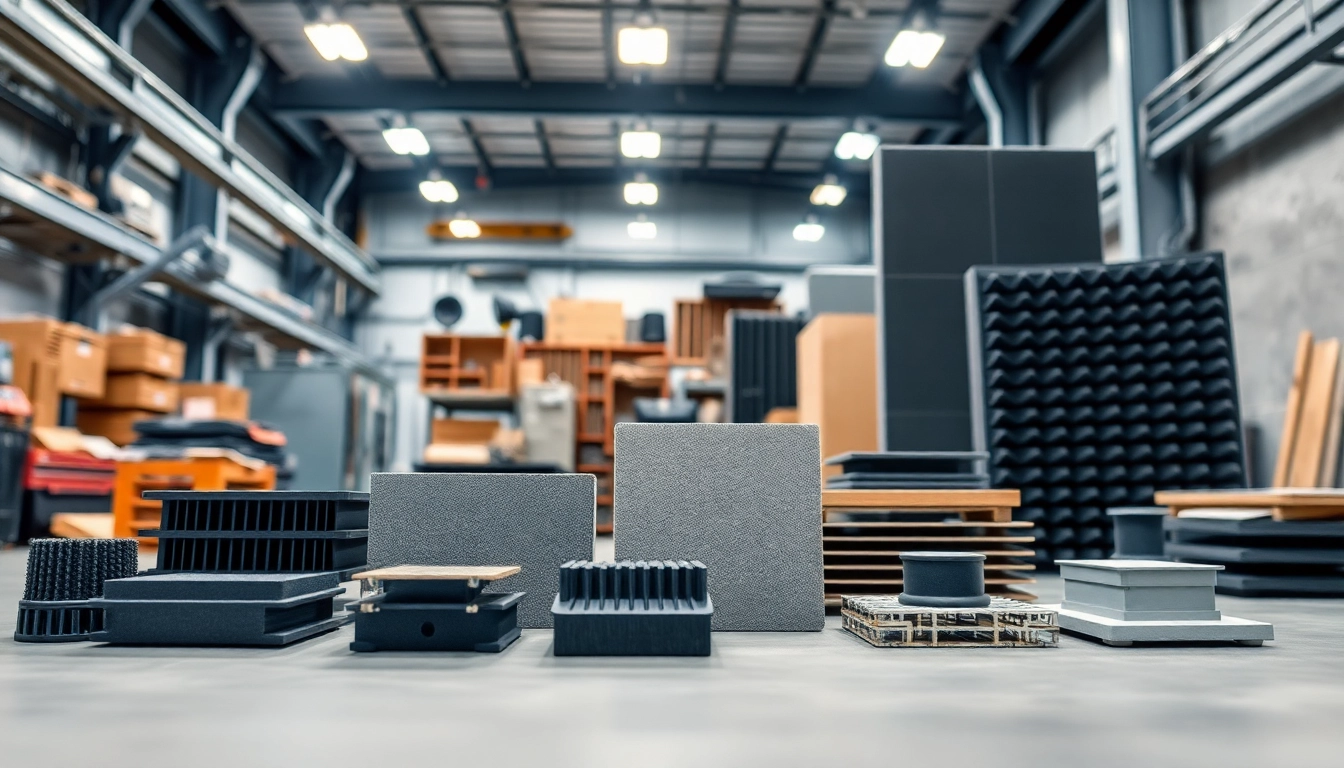
Sound and vibration control products are specialized materials and systems designed to reduce sound transmission and vibration interference in various environments. These products encompass a broad range of solutions, including acoustic panels, soundproofing materials, vibration isolators, and damping materials. By targeting the elimination of undesired noise and vibrations, these products play a pivotal role in enhancing comfort and productivity, both in residential and commercial spaces. As global awareness of noise pollution increases, the demand for effective Sound and Vibration Control Products continues to grow.
The Importance of Acoustic Solutions in Various Environments
In today’s fast-paced world, noise pollution is a prevalent issue that can affect health, productivity, and overall quality of life. In residential settings, excessive noise from external sources, such as traffic or loud neighbors, can lead to stress and negatively impact sleep patterns. Similarly, in commercial and industrial environments, elevated noise levels can hinder communication, reduce employee efficiency, and pose risks to safety and well-being. Effective acoustic solutions help mitigate these issues, creating tranquil and productive spaces. Furthermore, they can add value to properties and enhance the user experience, making them invaluable in any design consideration.
Core Features of Effective Sound and Vibration Control Products
When selecting sound and vibration control products, several key features must be considered:
- Sound Absorption: The ability to absorb sound energy and prevent it from reflecting off surfaces is critical. Materials with high Noise Reduction Coefficient (NRC) ratings are preferred.
- Sound Transmission Control: Effective products minimize sound transmission through walls, floors, and ceilings, as indicated by Sound Transmission Class (STC) ratings.
- Vibration Isolation: Products designed to isolate vibrations prolong the lifespan of machinery and reduce noise levels in sensitive environments.
- Durability: High-quality materials must withstand wear and tear, ensuring longevity and consistent performance.
- Versatility: Solutions should cater to various applications and easily integrate into different environments without compromising aesthetics.
Applications of Sound and Vibration Control Products
Residential Settings: Creating Peaceful Living Spaces
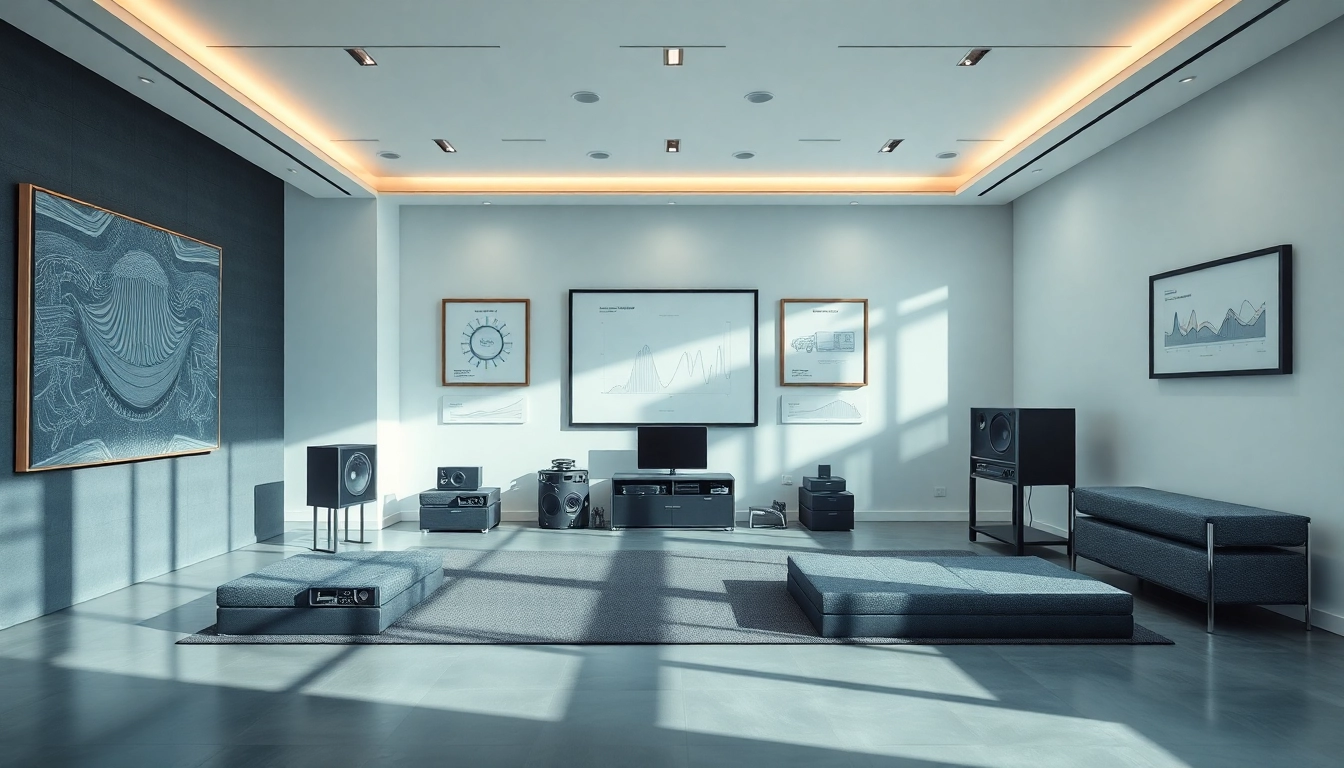
In residential environments, sound and vibration control products can significantly enhance comfort and tranquility. From acoustic panels that absorb sound in home theaters to soundproofing materials in bedrooms, these solutions can make a notable difference. For example, thick curtains or sound-absorbing wall panels can minimize distractions from outside noise, creating a serene living space. Similarly, vibration dampers can reduce the transmission of vibrations from appliances, providing a more peaceful home environment.
Commercial Environments: Enhancing Productivity
In the commercial sector, the design of offices and workspaces is being increasingly influenced by the need to manage sound and vibration. Open floor plans may promote collaboration but often lead to elevated noise levels, which can impede productivity. By incorporating sound-absorbing ceiling tiles, partitions, and carpets, businesses can effectively reduce noise distractions. Furthermore, in facilities that accommodate meetings and presentations, effective sound control products ensure clear communication and a focused atmosphere.
Industrial Use: Reducing Noise Pollution and Risk
Industrial applications present unique challenges in sound and vibration management. Manufacturing plants are often noisy environments where machinery generates strong vibrations that can affect workers’ comfort and productivity. Implementing vibration isolators and soundproof enclosures around noisy equipment helps protect employees and comply with regulatory standards. Furthermore, using these products can reduce the overall noise footprint of a facility, minimizing its impact on surrounding communities.
Evaluating Performance Metrics for Sound and Vibration Control Products
Key Metrics to Consider: NRC and STC Ratings
When assessing the efficacy of sound and vibration control products, it is essential to consider specific performance metrics, primarily the Noise Reduction Coefficient (NRC) and Sound Transmission Class (STC). The NRC rating measures a material’s ability to absorb sound, with values ranging from 0 to 1, where a higher rating indicates better sound absorption capabilities. STC ratings quantify how well a building element (like walls or doors) can block sound transmission. Higher STC ratings indicate better sound isolation, which is particularly vital in multi-family residences and shared workspaces.
How to Measure Effectiveness in Real World Applications
To accurately measure the effectiveness of sound and vibration control products, it’s crucial to conduct real-world testing within the intended environment. This can include pre-installation assessments, setting baseline noise levels, and post-installation evaluations to gauge improvements. Methods such as sound level meters, vibration analysis, and acoustic modeling software can provide data on performance, helping to ensure the products meet specified standards and user expectations.
Assessing the Cost-Benefit Ratio of Solutions
When investing in sound and vibration control products, evaluating the cost-benefit ratio is vital for making informed decisions. While some high-performance materials may come with a higher upfront cost, they often provide long-term savings through energy efficiency, reduced maintenance needs, and enhanced user satisfaction. Factors to consider in this evaluation include durability, performance metrics, potential reduction in complaints and associated costs, and the value added to property through improved acoustics and comfort.
Best Practices for Implementing Sound and Vibration Control Products
Initial Assessment: Identifying Needs and Challenges
The first step in implementing sound and vibration control products is conducting a thorough assessment to identify specific needs and challenges within the environment. This involves understanding the sources of noise or vibration, the intended use of the space, and the specific outcomes desired. Engaging with acoustic consultants or specialists can provide valuable insights into the most appropriate solutions tailored to individual challenges, ensuring a strategic approach.
Installation Tips for Maximum Efficiency
Proper installation is essential for maximizing the effectiveness of sound and vibration control products. Following manufacturer guidelines closely ensures optimal performance. It is also beneficial to ensure that products are installed in areas of peak sound or vibration concerns, allowing for a targeted approach. Hiring professional installers with experience in acoustics can also guarantee superior results, especially in complex applications.
Regular Maintenance: Ensuring Longevity of Products
To maintain the performance of sound and vibration control products, regular maintenance is critical. This can include inspecting materials for wear or degradation, cleaning surfaces as recommended, and replacing components showing signs of fatigue. Additionally, monitoring the environment for changes is essential, as evolving noise or vibration levels may necessitate adjustments in the solutions in place.
Future Trends in Sound and Vibration Control Products
Technological Advancements in Acoustic Materials
The sound and vibration control industry is witnessing rapid technological advancements that enhance the performance of acoustic materials. Innovations such as lightweight composites and advanced foam technologies provide superior sound absorption while maintaining ease of installation. Furthermore, integrating smart technology within acoustic solutions allows for real-time monitoring of sound levels, enabling more responsive and dynamic control methods to emerging challenges.
Eco-Friendly Solutions: Sustainable Product Development
As sustainability becomes a focal point in every industry, the development of eco-friendly sound and vibration control products is gaining traction. Many manufacturers now create products from recycled or sustainably sourced materials without compromising performance. Additionally, using these products can contribute to overall building sustainability efforts, such as earning points toward green certifications, making them increasingly desirable among environmentally conscious consumers.
Integration with Smart Home Technologies
The future of sound and vibration control products is increasingly intertwined with smart home technologies. Innovations such as noise-cancelling systems that adjust according to real-time data or automated acoustic curtains that close upon detecting external noise exemplify this integration. This seamless connection not only enhances user experience but also demonstrates a trend toward total environmental control, where sound and vibration management is an integral part of smart living.
Frequently Asked Questions
What are the typical applications for sound and vibration control products?
Sound and vibration control products are commonly used in residential, commercial, and industrial settings to reduce noise pollution and enhance comfort.
How can I determine which sound control product is best for my space?
Assess your specific needs, such as noise levels and types of activities in the space, to choose appropriate products tailored for your requirements.
Are sound and vibration control products easy to install?
Many products come with easy installation guides, but professional help may be beneficial for complex setups to ensure optimal performance.
How do I maintain sound and vibration control products?
Regularly inspect items for wear, clean surfaces as directed, and replace any deteriorating components to maintain effective sound control.
What factors affect the cost of sound and vibration control products?
Costs can vary based on materials, technology used, product size, and complexity of installation, as well as brand reputation.